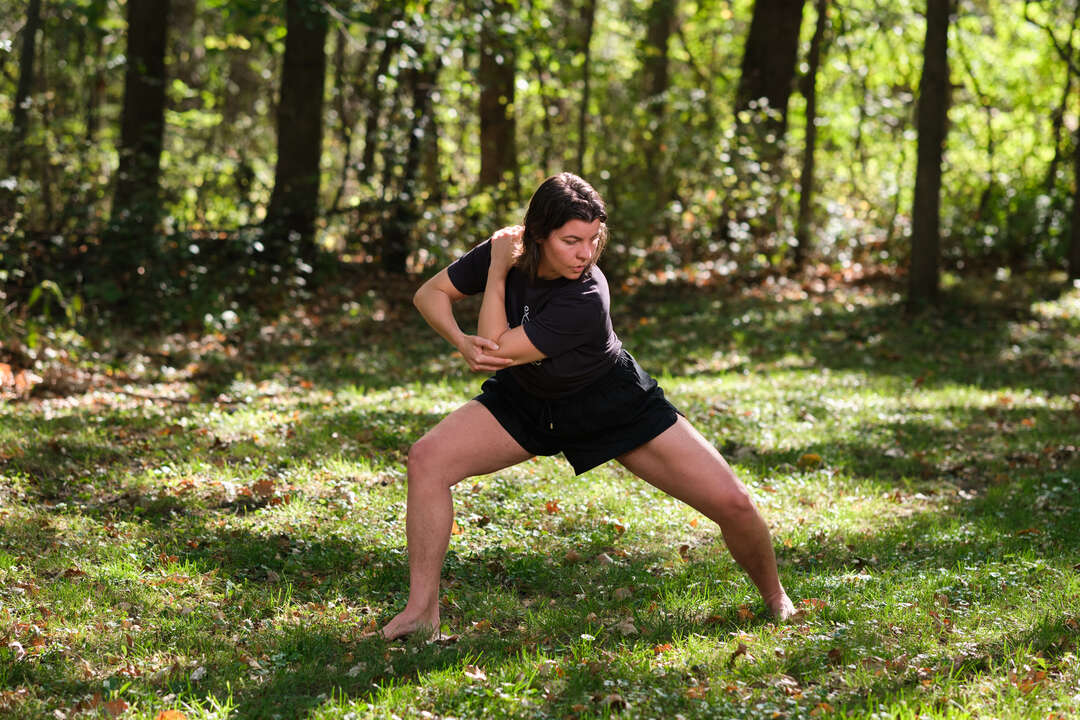
Harnessing Stress for Autistic Leadership: A New Path Through Fascial Maneuvers
By Garry Lineham (Co-founder of Human Garage)
Autism isn’t a limitation – it’s an evolutionary adaptation in a world struggling to keep up with consciousness
Autistic individuals often possess deep intuition, authenticity, and a powerful sense of justice, but these qualities can be easily misread or suppressed in environments designed for neurotypical conformity.
The biggest factor that determines whether those traits become superpowers or shutdowns? Stress.
Every body – autistic or not – is a pressurized system.
Stress builds up in the fascia, the connective tissue that wraps around muscles, organs, and nerves like a second nervous system.
In autistic individuals, stress responses tend to be more visible and intense: repetitive movements, stimming, sensory overload.
- But what if those aren’t dysfunctions at all?
- What if they’re the body’s way of regulating pressure and emotion?
That’s where Fascial Maneuvers come in.
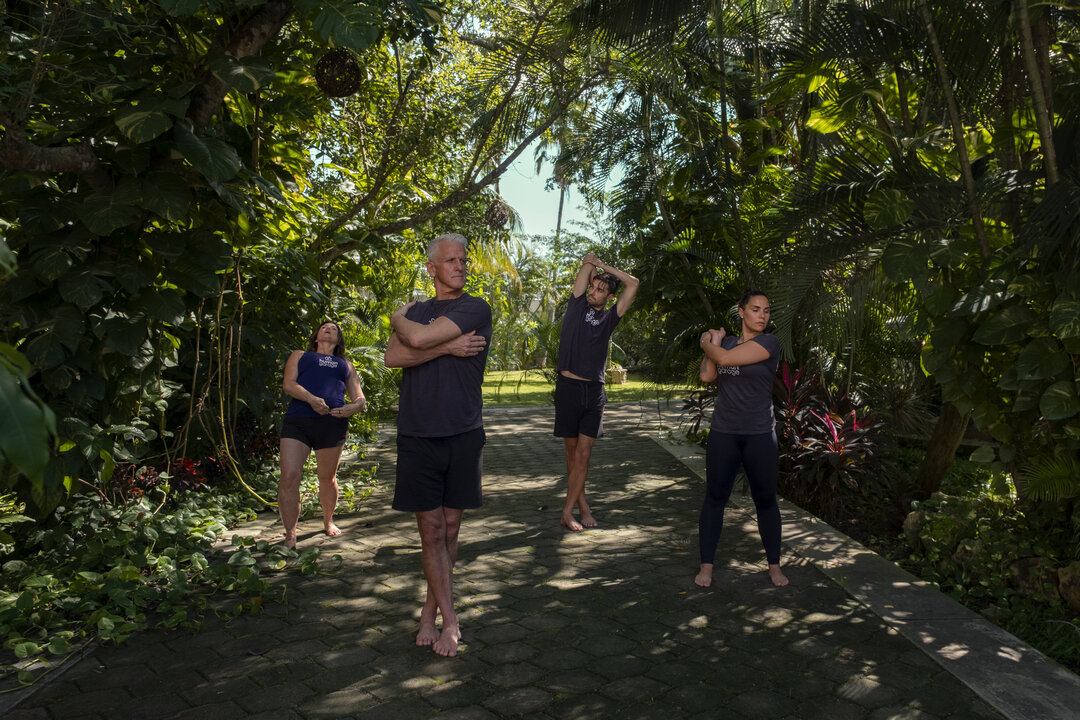
Gentle , intentional fascial movements help the body release emotional tension from the fascia, our version of this is simple and it’s called Fascial maneuvers.
This isn’t exercise – it’s emotional movement. When we teach autistic individuals to regulate their internal pressure through these maneuvers, we see incredible results: less overwhelm, reduced tics and involuntary movements, better sleep, clearer thinking, and a more centered connection to others.
Fascial Maneuvers help integrate the emotional and mental bodies so autistic leaders can lead from a place of balance instead of burnout. They allow the body to feel safe enough to process the world, instead of defending against it.
In a time where authenticity and innovation are needed more than ever, the unique wiring of the autistic mind isn’t a disadvantage – it’s a gift. When supported properly, autistic leadership becomes not just effective, but evolutionary.
(Pay what you can)